Menu
Menu
Menu
close
They call it mojo drugs, but don’t let the nickname lull you into thinking it’s harmless or funky. It’s a synthetic cannabinoid—think herbs or plants sprayed with powerful lab-made chemicals, sold under names like Spice, K2, Scooby Snax, or Cloud 9, masquerading as marijuana. People chase it because it’s harder to screen for and can deliver a heavier, unpredictable high. Real marijuana has nothing on this potent cocktail in terms of intensity and risk.
Our programs even include Virtual IOP for those with busy schedules who want to join from their device if they cannot make it to our Dallas or Forth Worth locations offering outpatient treatment for mental health or substance use disorder for things like alcohol, opioids, prescription pills, benzos, and more.
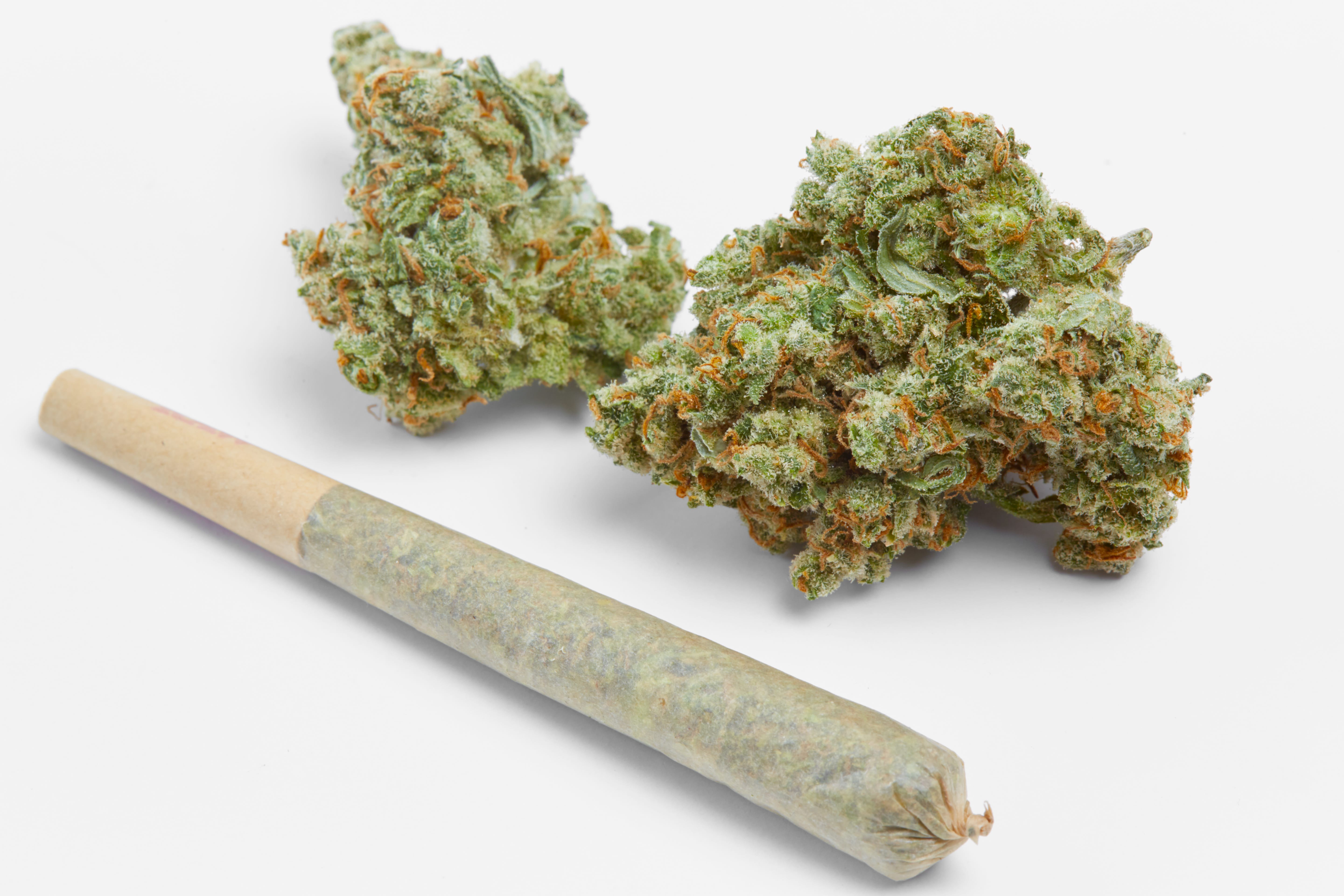
You’ve probably heard about the buzz around mojo drugs acting like a legal marijuana stand-in. That’s because it is often sold as “herbal incense” or “potpourri,” skirting regulations. The thing is, calling it “natural” doesn’t make it safer. The chemicals vary wildly from batch to batch, meaning what hit one user who seemed okay might land another in deep trouble. That unpredictability is part of why it's so dangerous.
When someone uses mojo drugs, physical and mental effects tend to hit strong and fast. You’re talking fast heartbeat, blood pressure spikes, anxiety, hallucinations—sometimes full-blown psychosis. Emergency rooms are seeing overdoses, unconsciousness, even deaths tied to this stuff. So if someone’s in the grip of it, medical attention shouldn’t wait.
Once you try to stop using mojo drugs, brace yourself—withdrawal isn’t subtle. Users report intense cravings, sleepless nights, irritability, anxiety. It’s more than feeling low. It can feel like your mind is trying to revolt. Treatment professionals here in Texas, like Turning Point Recovery Network, offer support that handles not just the physical symptoms but the emotional fallout and underlying reasons too.
A positive note: even in the rut of addiction, help exists. At Turning Point you’ll find detox programs, outpatient options—including how to find an IOP—and compassionate professionals who get it. They focus on rebuilding, one authentic connection at a time. That can make all the difference when you're trying to reclaim your life.
What about after someone slips up? What to do after a relapse becomes the question that matters next. A relapse doesn’t erase progress. It can be a hard lesson, a sign that the current plan needs adjustment, or proof that more support might be needed. Reach back out, lean on a therapist, consider group sessions, keep going.
Some folks wonder: what’s a medical detox? It’s not some cold-turkey showdown. It’s monitored, with professionals managing symptoms and safety, making coming down from mojo drugs as humane and secure as possible. It’s where relapse rates drop and recovery actually starts to feel doable.
There’s also growing concern around cocaine addiction treatment and misuse, but synthetic cannabis stuff like mojo demands equal focus because it’s just as unpredictable and sometimes more lethal. Treatment teams often juggle both kinds of dependencies under one roof. And, if you’ve ever asked, are hallucinogens addictive?, that’s a fair question. With mojo drugs, some people do develop addiction. Though not all hallucinogens hook you the same way, synthetic cannabinoids mess with your brain’s chemistry—and the withdrawal symptoms are proof it can spiral into dependency.
If you’re reading this and suspect someone you love might be using mojo drugs, or if you think it might be you, don’t wait. Reach out to Turning Point Recovery Network today. Whether you’re after an IOP, medically supervised detox, or just a listening ear, professionals are standing by, ready to walk through this with you—with zero judgment and a lot of humanity.
It’s synthetic marijuana—plant materials infused with varying, lab-only chemicals meant to imitate marijuana but far stronger and more unpredictable.