Menu
Menu
Quick answer: Virtual MAT lets you start medication-assisted treatment for opioid or alcohol use from home, through secure video visits with a licensed provider. After a telehealth assessment, your provider can prescribe FDA-approved medication and send it to your local pharmacy, with follow-up care handled online. Virtual MAT is legal in Texas and often covered by insurance.
For a lot of people, deciding to get help isn't the hard part. The hard part is everything that comes after. A clinic that's forty minutes away. A job that doesn't offer paid time off. A car that isn't reliable. Or the quiet worry about who might see you walking into a treatment center. Any one of those can be enough to put recovery off for another week, and then another.
That's the gap virtual medication-assisted treatment (MAT) was built to close. When MAT happens over secure video, you can start from your kitchen table instead of a waiting room, using the same proven medications and clinical support you'd get in person.
Below, we'll walk through how it actually works in Texas, who it tends to help most, what it costs, and how to take the first step when you're ready.
Our programs even include Virtual IOP for those with busy schedules who want to join from their device if they cannot make it to our Dallas or Forth Worth locations offering outpatient treatment for mental health or substance use disorder for things like alcohol, opioids, prescription pills, benzos, and more.

MAT stands for medication-assisted treatment: an approach that pairs FDA-approved medication with counseling and therapy to treat opioid use disorder and alcohol use disorder.
The medication takes the edge off withdrawal and cravings, and once that physical noise quiets down, you have the mental space to do the real work in therapy.
The “virtual” part simply means the whole thing reaches you over secure video, so distance and scheduling stop being the barriers they used to be.
Before the logistics, it helps to know why this is worth doing. MAT isn't a fringe idea or a new one: both the Substance Abuse and Mental Health Services Administration (SAMHSA) and the National Institute on Drug Abuse (NIDA) point to it as a first-line, evidence-based treatment, which is why clinics have utilized medication-assisted treatment in Texas for years.
People on MAT relapse less often, and it can sharply reduce the risk of overdose death for opioid use disorder. And to clear up the doubt that stops so many people from starting: MAT is not swapping one addiction for another. It treats a chronic medical condition the way we'd treat high blood pressure or diabetes, with the right medication and a doctor keeping watch.
The good news is that getting started is usually simpler than people expect. Here's the typical path:
Because almost everything past the pharmacy run happens from home, the usual friction points—the traffic, the waiting room, the day off work—stop being reasons to quit. For many Texans, telehealth MAT Texas providers have become the difference between starting care and staying stuck on a waitlist.
There's no single right medication. Your provider recommends what's safest and most effective for you, based on your history and goals.
For opioid use disorder, the main options are:
For alcohol use disorder, providers often turn to naltrexone to cut cravings, acamprosate to help steady brain chemistry, or disulfiram, which makes drinking physically unpleasant.
A quick note on long-acting injectables like Sublocade: the shot itself has to be given in person, but the consultations, check-ins, and therapy around it can still happen virtually. And if you need to physically stabilize before starting MAT, the safer first step may be a higher level of support, like medical detox or flexible outpatient detox that you can do from home.
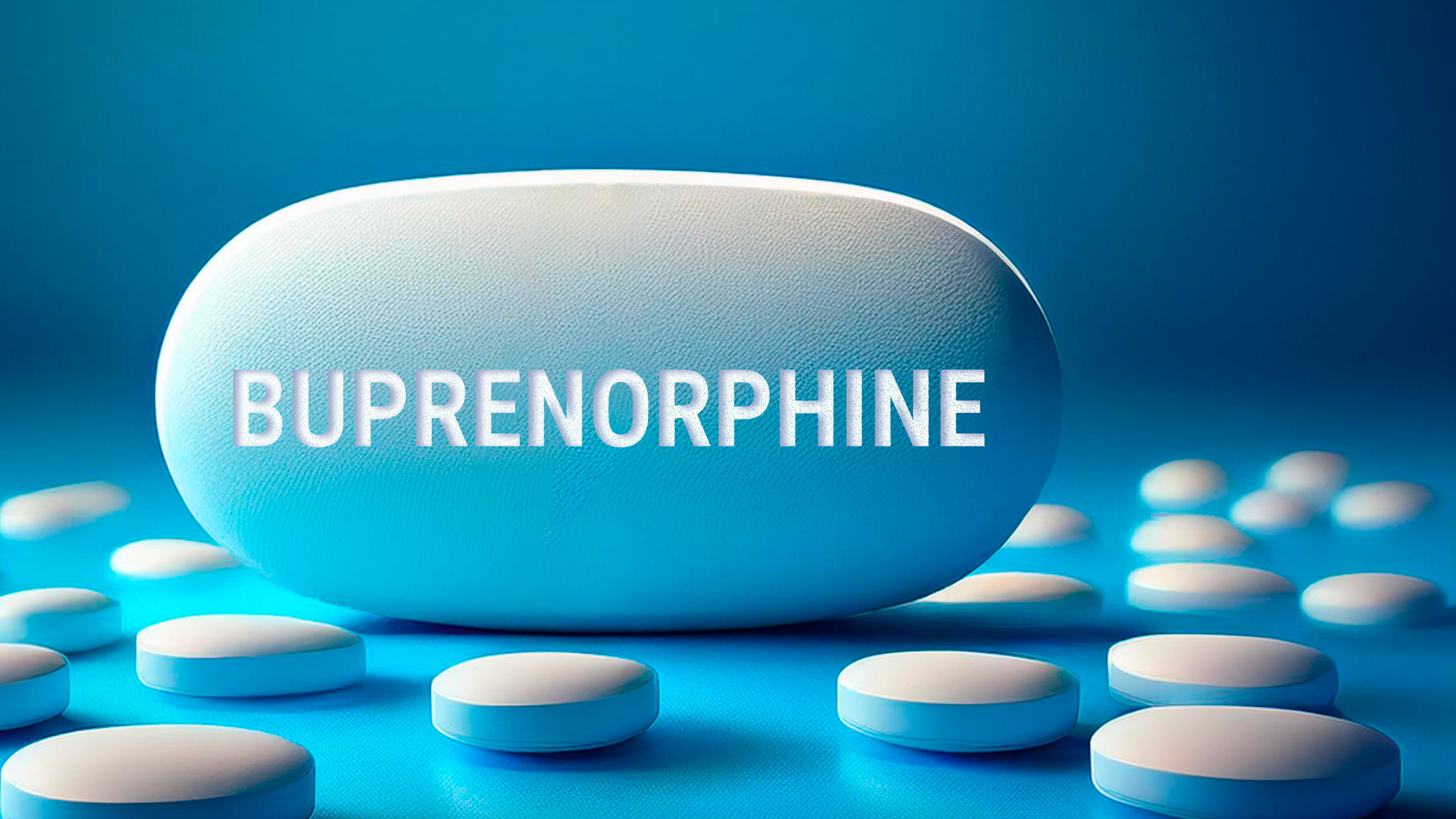
Yes, Texas allows telehealth prescribing of buprenorphine for opioid use disorder when a licensed provider follows the applicable state and federal rules. In practice, that means your provider establishes a valid patient-provider relationship, which your first telehealth visit usually satisfies, checks the Texas Prescription Monitoring Program, and prescribes electronically.
Here's the honest caveat: the federal rules for prescribing controlled substances over telehealth have been updated and extended more than once in recent years, and details like whether an in-person visit might eventually be required can shift. A reputable program keeps up with all of that and will tell you exactly what applies to you. If you're unsure, just ask when you first make contact. It's a fair question, and any good provider will answer it plainly.
Often, yes. Under the Mental Health Parity and Addiction Equity Act, insurers generally have to cover substance use treatment on par with other medical care. Plenty of private plans in Texas—including Blue Cross Blue Shield of Texas, Aetna, Cigna, and UnitedHealthcare—include MAT coverage, though some require prior authorization or cover only certain medications.
Texas Medicaid also covers a range of substance use services, including telehealth-delivered MAT, for eligible members. Since it varies plan to plan, the easiest move is to let our admissions team verify your benefits before you start, so you know your costs up front.
And if you don't have insurance, self-pay and sliding-scale options mean being uninsured doesn't have to be the thing that stops you.










It's a strong fit if you:
It's worth being honest about fit. If you have severe co-occurring conditions or more complex medical needs, a hybrid setup, mostly virtual with some in-person support, might serve you better. A thorough assessment helps you land at the right level of care instead of guessing.
There's a real gap between a national, prescription-only app and a Texas program with actual roots in your community. Our support goes beyond a prescription: we help you understand your options, build a plan, and move into the level of care that fits your needs.
What sets us apart:
View this post on Instagram
You don't have to reshuffle your whole life or drive across the state to get real, evidence-based care. Reaching out is a confidential conversation, nothing more: we'll help you understand your options, verify your insurance, and plan the next step in your recovery.
Call us today or contact us online to start virtual MAT in Texas, wherever you are in the state.
Yes, a licensed Texas provider can evaluate you over secure video, prescribe medication like buprenorphine or Suboxone when it's appropriate, and send it to your local pharmacy. Your follow-up care can keep happening virtually too.
It depends on your insurance and your medication. Many private plans and Texas Medicaid cover MAT, sometimes with prior authorization. We check your benefits before your first appointment, and self-pay or sliding-scale options are usually available if you're uninsured.
Not much. A smartphone, tablet, or computer with a steady internet connection and a private spot for your appointment is generally all it takes.
For many people, yes. When telehealth medication management is paired with counseling and steady follow-up, virtual care can hold its own against in-person treatment, and the convenience often helps people stay in treatment longer, which is a big part of what makes recovery work.
