Menu
Menu
Quick Answer: HEB drug tests some applicants and partners, but not everyone. Testing usually depends on the role and happens before hire, at random, after accidents, or with reasonable suspicion. Eligible partners can use FMLA leave and company disability benefits for serious health conditions, including addiction treatment.
At Turning Point Recovery Network, we help HEB employees and other Texas workers get addiction treatment that fits around their jobs.
If drugs or alcohol are putting your career at risk, call or text us for a confidential conversation.
HEB drug tests some new hires, depending mostly on the position. Safety-sensitive roles, such as warehouse, driving, and pharmacy jobs, are the most likely to require a pre-employment screen.
Many store applicants, including cashiers and stockers, report being hired without a test. When one is required, it typically takes place at an offsite clinic after a conditional offer.
For the most accurate information about pre-employment screening, contact HEB’s HR department directly.
Our programs even include Virtual IOP for those with busy schedules who want to join from their device if they cannot make it to our Dallas or Forth Worth locations offering outpatient treatment for mental health or substance use disorder for things like alcohol, opioids, prescription pills, benzos, and more.

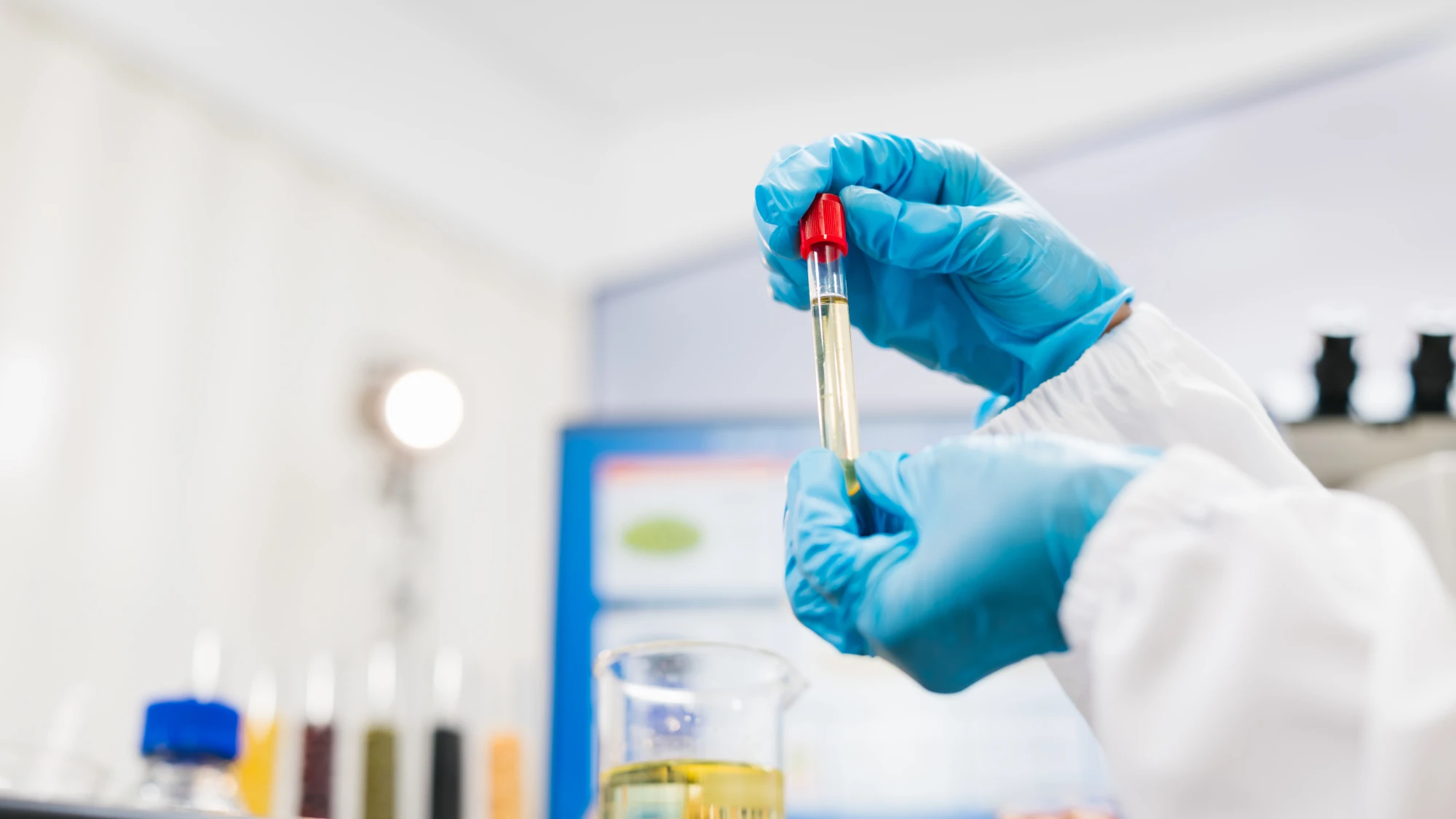
HEB most commonly uses a urine drug screen. A standard panel detects marijuana (THC), cocaine, amphetamines, opioids, and PCP, and expanded panels may include benzodiazepines.
Texas doesn’t protect recreational marijuana use, and the state's limited medical program doesn't override the HEB drug test policy. Alcohol is usually tested only after accidents or when impairment is suspected.
HEB can test current employees at random, after a workplace accident, or when a manager suspects impairment. Every partner, including managers, signs HEB's Drug-Free Workplace Policy, which permits testing after hire.
Common triggers include:
Failing an HEB drug test usually costs you the job offer or the job itself. Applicants who test positive typically have their offer withdrawn, though some reports say they can reapply after about six months.
Current partners can face termination under the Drug-Free Workplace Policy. If you take a prescribed medication, share it with the medical review officer before results are finalized.
HEB offers medical leave, short-term disability, and long-term disability to eligible partners. These benefits work alongside the federal Family and Medical Leave Act (FMLA), which provides up to 12 weeks of unpaid, job-protected leave per year for a serious health condition.
FMLA eligibility generally requires 12 months of employment and at least 1,250 hours worked in the past year. Short-term disability can replace part of your income while FMLA protects your position.
For more information, reach out to the HEB HR department.
HEB employees can typically use FMLA leave for substance use disorder treatment from a healthcare provider. The protection covers treatment itself, not absences caused by active use.
The Americans with Disabilities Act (ADA) also protects people in recovery who aren't currently using illegal drugs. Requesting help before a failed test or disciplinary issue gives you the strongest footing, and employers must keep medical information confidential.
We provide flexible addiction treatment built for working Texans, including dedicated drug and alcohol rehab for HEB employees. Depending on what works best for you, we offer both virtual treatment and in-person care across Dallas-Fort Worth, Tyler, and Houston.
Our program offerings include:
We accept most major insurance plans and can verify your benefits before you start.
Contact us today to speak confidentially with our admissions team and find a program that protects both your recovery and your career.
Hair testing is uncommon at HEB, based on partner reports. Urine screens remain the standard because they're quick, affordable, and detect recent use.
FMLA leave itself is unpaid, but enrolled partners may receive partial income through short-term disability. Accrued paid time off may also apply during leave.
HEB generally can't fire an eligible partner for taking FMLA-protected leave for addiction treatment. However, that protection doesn't erase policy violations, such as a positive test, that occurred before you requested leave.
 Now Offering Payment Plans Through Affirm
