Menu
Menu
Texas marijuana laws in 2026 continue to follow a different path than many other states. That difference shapes how marijuana, medical access, and hemp products are handled across Texas. Here, we’ll cover the current legal landscape and offer a perspective on how these laws may matter for people focused on recovery and moving forward.
Our programs even include Virtual IOP for those with busy schedules who want to join from their device if they cannot make it to our Dallas or Forth Worth locations offering outpatient treatment for mental health or substance use disorder for things like alcohol, opioids, prescription pills, benzos, and more.
Texas has taken a cautious approach to marijuana policy compared to many other states. While some states moved toward broader legalization, Texas focused on maintaining restrictions while allowing narrow exceptions through limited medical programs.
Federal law added another layer of complexity. Marijuana remains illegal at the federal level, while hemp-derived products were addressed separately under federal guidelines. By 2026, Texas adopted its own interpretation of these distinctions, which led to ongoing discussion around regulation, enforcement, and access.

As of January 2026, recreational marijuana is still illegal under Texas law. Possession and use outside of limited medical access remain restricted throughout the state.
This is an area where assumptions based on other states can create confusion. Texas hasn’t followed the same path as states that legalized recreational use. Those differences continue to shape everyday legal boundaries, so it’s important to understand state-specific regulations.
Texas allows medical marijuana treatment use only within a tightly regulated framework. Access is limited to approved programs and specific qualifying conditions, and participation is closely overseen by the state.
Medical marijuana may be permitted for certain conditions, including:
Medical marijuana laws in Texas don't offer broad access or wide product availability. Understanding these limits helps reduce confusion and supports informed, law-aligned decisions.
Hemp-derived THC products have been an area of continued review in Texas. While hemp products became legal under federal guidelines, Texas has reassessed how these products are sold, labeled, and regulated.
Current discussions have focused on:
Some Texas cities have explored reduced enforcement approaches for low-level marijuana possession. These local policies are often designed to shift enforcement priorities rather than change the law itself. Local decisions don’t override statewide rules, which means legal boundaries remain consistent regardless of city-level practices.
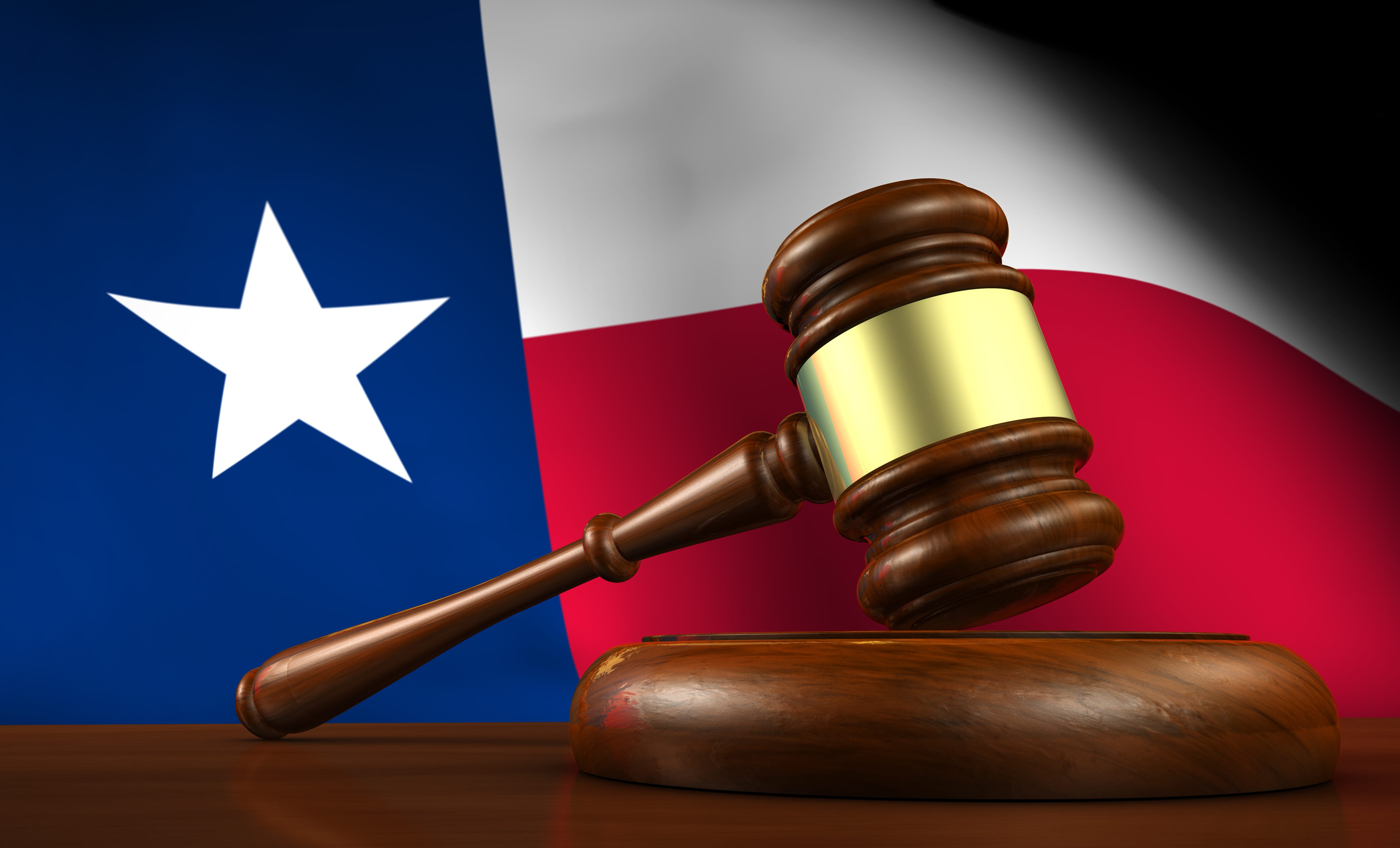
For people focused on recovery, clarity around Texas marijuana laws in 2026 supports steadier decision-making. Legal uncertainty can add stress, especially when laws differ from those in other states or continue to be discussed publicly.
Understanding the legal landscape can be especially important for people exploring recovery options, including those learning more about marijuana addiction treatment and how professional support may help them move forward.
At Turning Point Recovery Network, we provide access to clear information and treatment options for people navigating recovery. The focus is on helping you understand how legal boundaries may intersect with recovery, reduce uncertainty, and make choices that support your path forward.
Reach out to us today for support that’s practical, respectful, and centered on clarity and steady progress.
No, recreational marijuana remains illegal statewide under Texas marijuana laws in 2026. Possession and use outside of limited medical access are still restricted.