Menu
Menu
Menu
close
For decades, anticonvulsants like carbamazepine and valproic acid have been used to treat epilepsy, but their role in alcohol withdrawal has gained respect for good reason. When clinicians want to avoid benzodiazepine medications for alcohol withdrawal, they often reach for anticonvulsants in mild to moderate cases. These drugs reduce the risk of seizures, one of the most dangerous parts of detox, without adding the sedation or dependency concerns linked to benzos. They help steady the nervous system during the turbulent days when alcohol is leaving the body, especially if a patient has a history of repeated detox attempts or co-occurring issues that make benzos risky.
Our programs even include Virtual IOP for those with busy schedules who want to join from their device if they cannot make it to our Dallas or Forth Worth locations offering outpatient treatment for mental health or substance use disorder for things like alcohol, opioids, prescription pills, benzos, and more.
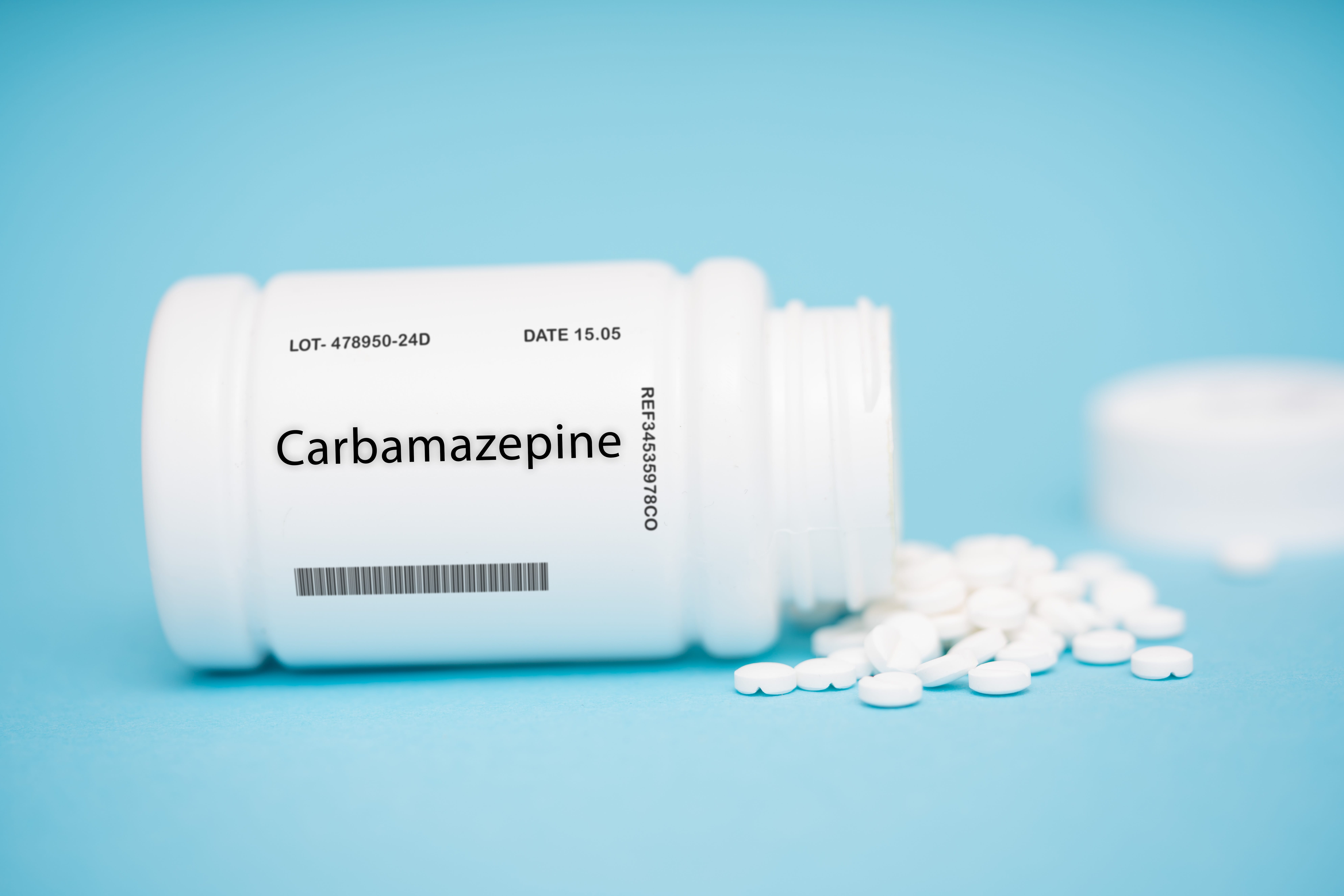
Carbamazepine is one of the more established anticonvulsants used when doctors want to sidestep benzodiazepine medications for alcohol withdrawal. Known best for controlling seizures in epilepsy, it also carries real weight in alcohol detox by reducing the likelihood of seizures that can emerge when the brain is suddenly deprived of alcohol. What sets it apart is its stabilizing effect on electrical activity in the central nervous system. During withdrawal, neurons fire unpredictably, leading to symptoms like agitation, tremors, and risk of seizure. Carbamazepine calms that storm.
It has particular value in mild to moderate withdrawal, where symptoms are uncomfortable but not life-threatening. Patients often notice less irritability, more mental steadiness, and fewer spikes of nervous energy compared to attempting withdrawal without medical support. Unlike benzos, carbamazepine doesn’t sedate heavily or carry the same dependency risks, so it can be prescribed with more confidence in outpatient settings. That matters when people want to recover at home but still need medical safety nets.
Side effects are possible, of course—dizziness, unsteady walking, or mild stomach upset—but they’re generally outweighed by the protective benefits. Blood tests are sometimes required to check liver function and drug levels, making supervision important. Still, when people weigh the question of will insurance cover drug detox?, carbamazepine is often included in medically supervised programs precisely because of its evidence-based role in protecting patients.
It doesn’t work in every scenario. Severe withdrawal cases, especially with delirium tremens, usually require stronger interventions. But for the majority of alcohol detox patients, carbamazepine offers a steady, reliable way to reduce danger without creating new risks. In the hands of a skilled treatment team, it’s an alternative that balances effectiveness with safety, which is the goal of any responsible detox protocol.
Valproic acid is another anticonvulsant that plays a meaningful role in alcohol detox, especially for patients who can’t or shouldn’t use benzodiazepine medications for alcohol withdrawal. It’s widely used in psychiatry to stabilize mood, which makes it especially helpful when withdrawal sparks not just physical symptoms but also emotional turbulence. Irritability, agitation, and mood swings are common during early withdrawal, and valproic acid brings a leveling effect.
This medication reduces the excitability of neurons, lowering seizure risk while also softening psychological symptoms. For patients already vulnerable to mood disorders, valproic acid can double as a stabilizer, giving them a smoother path forward. That dual benefit makes it a favorite in certain treatment centers, particularly for people who’ve had rough experiences with benzos or where there’s a high concern for dependency.
Like carbamazepine, valproic acid does require medical oversight. It can affect liver function, so regular blood draws are part of the process. But when supervised, it’s remarkably effective at reducing withdrawal intensity. Patients who’ve gone through multiple detox attempts sometimes find valproic acid steadier and easier to tolerate. It doesn’t deliver the immediate calming effect of a benzo, but its consistent mood-stabilizing qualities can make the difference between sticking with recovery or sliding back into drinking.
If someone’s family is supporting someone through a benzo detox, valproic acid may also be introduced as a safer long-term strategy once the immediate dangers have passed. It allows patients to feel grounded without being sedated, helping them function more normally during the fragile weeks of early recovery. It’s not a miracle drug, but its role in comprehensive treatment programs can’t be overstated.
Ultimately, valproic acid provides a more sustainable choice for many patients. While it may never replace benzodiazepines in severe withdrawal, it gives clinicians another solid option for balancing safety with effectiveness, particularly in cases where dependency risk looms large.
Gabapentin has become one of the most widely used non-benzo medications in alcohol withdrawal care, largely because of how well it addresses the “in-between” stage of recovery. People who don’t need heavy benzodiazepine medications for alcohol withdrawal often still face anxiety, restlessness, insomnia, and cravings. Gabapentin slips into that space and makes the climb bearable.
Originally developed for epilepsy and nerve pain, gabapentin works by modulating GABA activity in the brain, restoring some calm to an overactive nervous system. In alcohol withdrawal, that means patients can rest better, feel less jittery, and manage cravings with more confidence. Sleep disturbances are one of the most demoralizing aspects of detox, and gabapentin’s ability to restore rest often changes how people feel about their recovery timeline.
Unlike benzos, gabapentin doesn’t produce the same sedative euphoria or dependency risk, which makes it safer for long-term use in carefully monitored programs. Outpatient centers often prescribe it to support patients who are attending group therapy or partial hospitalization programs. For anyone wondering what to expect in PHP, gabapentin is commonly on the medication list because it provides relief without impairing function. Patients can still engage, process emotions, and build coping strategies while their nervous system calms down.
Gabapentin isn’t perfect. It doesn’t address the risk of seizures in severe withdrawal, so it’s not suited for the highest-risk patients. But for the majority navigating moderate withdrawal, it offers a balance between effectiveness and safety. Doctors may combine it with other medications—sometimes a blood pressure stabilizer like propranolol—for broader coverage.
For families trying to intervene early, maybe by identifying Xanax abuse and helping someone step away from both alcohol and Xanax and benzos, gabapentin is often the safer transition point. It provides comfort without creating new dependency cycles, helping patients stabilize and move forward with less fear of relapse.
Clonidine and propranolol fall into the adrenergic agent category. They don’t stop withdrawal itself, but they do make its most distressing side effects less overwhelming. When people stop drinking, their sympathetic nervous system often kicks into overdrive. Heart rate spikes, blood pressure climbs, hands shake, and anxiety surges. Traditionally, benzodiazepine medications for alcohol withdrawal take the lead here, but clonidine and propranolol can step in and tame the physical chaos.
Clonidine works by calming the release of norepinephrine, the neurotransmitter responsible for many of those fight-or-flight symptoms. Propranolol, a beta-blocker, slows heart rate and reduces tremors. Together, they can transform a frightening withdrawal into something survivable. Neither prevents seizures, so they aren’t used alone in high-risk detox, but as adjuncts they shine. For patients who can’t tolerate benzos, they sometimes serve as primary supports in milder withdrawal, keeping people comfortable enough to stay in care.
One of the overlooked values of these medications is how they help with compliance. When withdrawal makes every nerve feel raw, patients often give up and drink again. But when clonidine lowers the panic response and propranolol steadies the body, that urge weakens. It’s a small but powerful way to keep people engaged in the process.
Programs often combine these agents with other medications—gabapentin, carbamazepine, or valproic acid—depending on symptom intensity. In outpatient settings, clonidine is often favored because of its quick onset and ability to ease agitation within hours.
For recovery teams, it’s not about one magic pill but about using the right tools in the right mix. Families often discover that how sober coaches help includes educating patients about these medications, making sure they understand that comfort and stability can come without benzos.
Baclofen isn’t the first drug most people think of when it comes to alcohol withdrawal, but its role has been steadily growing. A GABA-B receptor agonist, baclofen calms the nervous system in a way that both reduces withdrawal severity and lessens craving. Unlike benzodiazepine medications for alcohol withdrawal, which often work quickly but carry heavy baggage in terms of dependence, baclofen can be used as part of both detox and relapse prevention strategies.
Some studies suggest baclofen helps reduce alcohol consumption even after withdrawal, which makes it a dual-purpose tool. Patients often describe a sense of calm without sedation, giving them space to engage in therapy and life outside of detox. For individuals with a history of benzo misuse, baclofen offers reassurance that their detox isn’t trading one dependency for another.
The research isn’t as robust as it is for carbamazepine or gabapentin, but baclofen’s potential is promising. Doctors may prescribe it to patients who have failed previous detox attempts, or when traditional options aren’t tolerated. It’s sometimes introduced after acute detox to support longer-term craving reduction, making it a bridge medication between the withdrawal stage and ongoing recovery.
Like most alternatives, baclofen isn’t free from side effects. Drowsiness, weakness, or dizziness can appear, especially at higher doses. But under supervision, it’s generally well-tolerated, and its low abuse potential makes it attractive to clinicians aiming for safer, longer-term support.
For families and providers, baclofen represents hope that treatment options will keep evolving. As programs expand beyond benzos, more patients will find individualized regimens that balance comfort, safety, and effectiveness. Baclofen’s place in that spectrum is still being refined, but for the right patient, it can be a breakthrough.
Detox isn’t about forcing everyone into the same plan. At Turning Point Recovery Network, we tailor treatment, whether that means anticonvulsants, gabapentin, or other safe options instead of benzodiazepine medications for alcohol withdrawal. Our team monitors symptoms closely and adds counseling so patients never go through it alone.
Recovery starts with the right first step. Reach out today to learn more about safe detox options and lasting support at Turning Point.
Yes, especially in mild to moderate cases. Medications like carbamazepine, gabapentin, and clonidine can ease symptoms and reduce risks without the same dependency concerns.